This is a read-only archive of the old Madabout Kitcars forum. New posts and replies are no longer possible, but every thread is still here to browse and read.
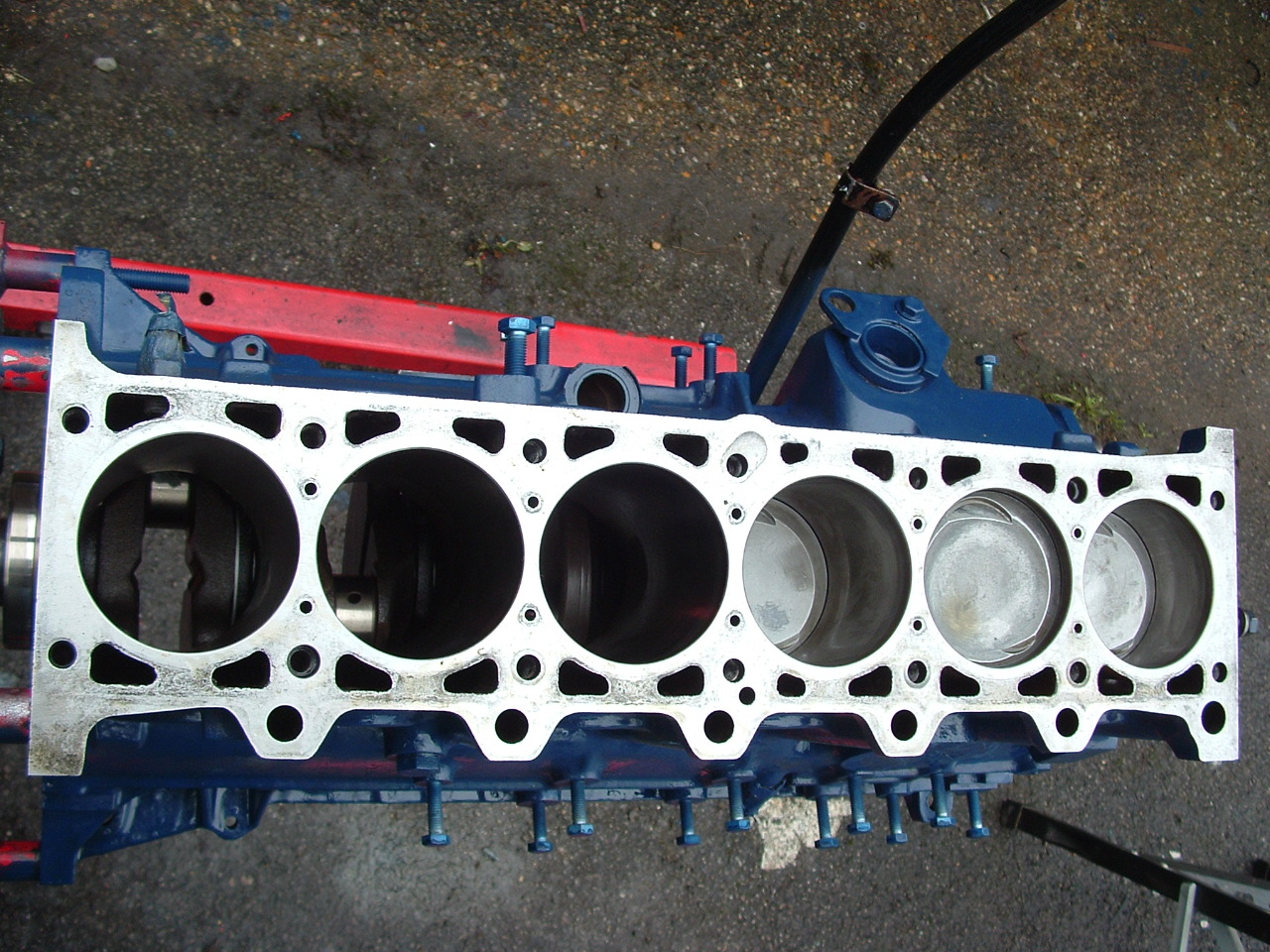
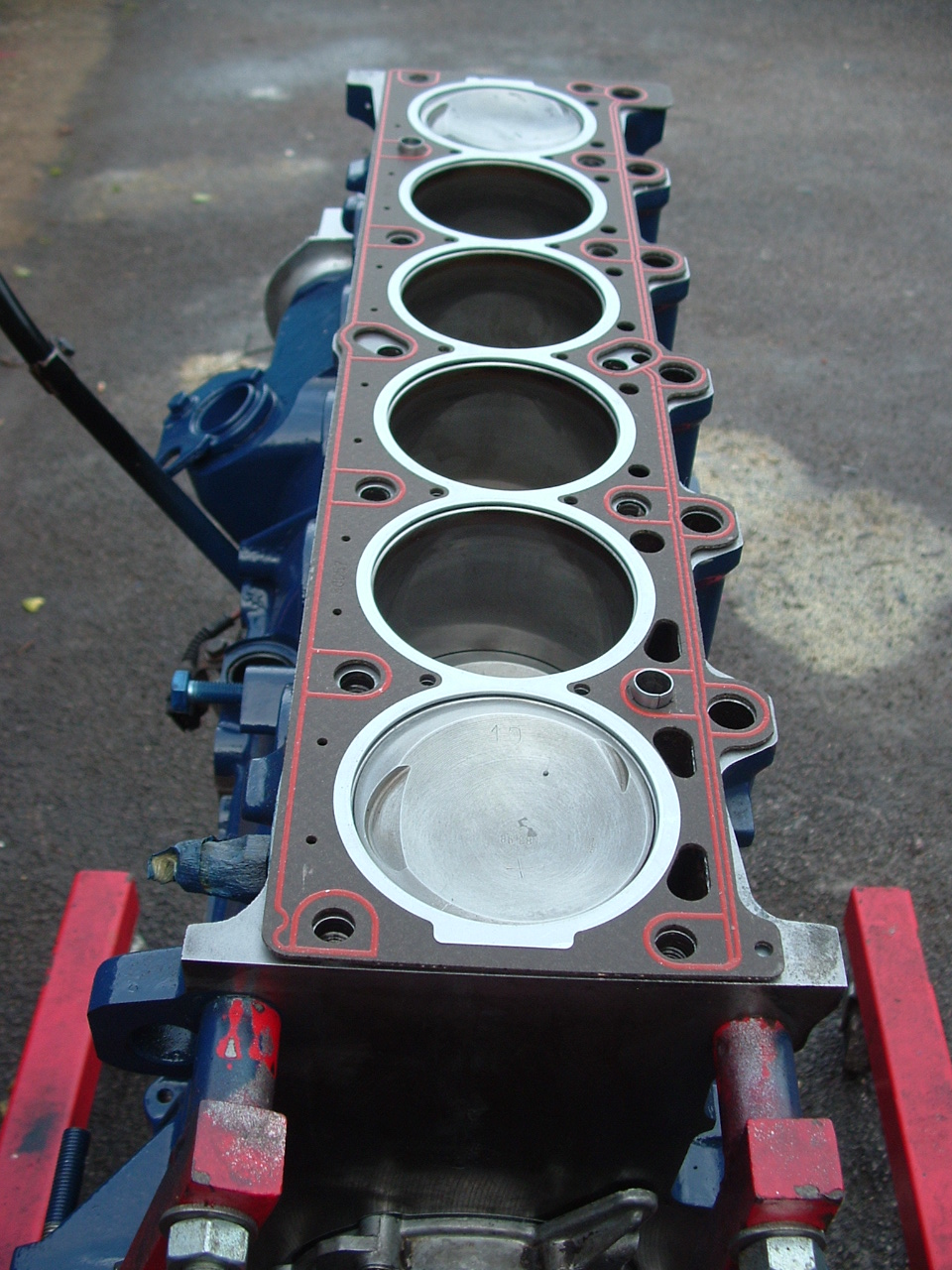
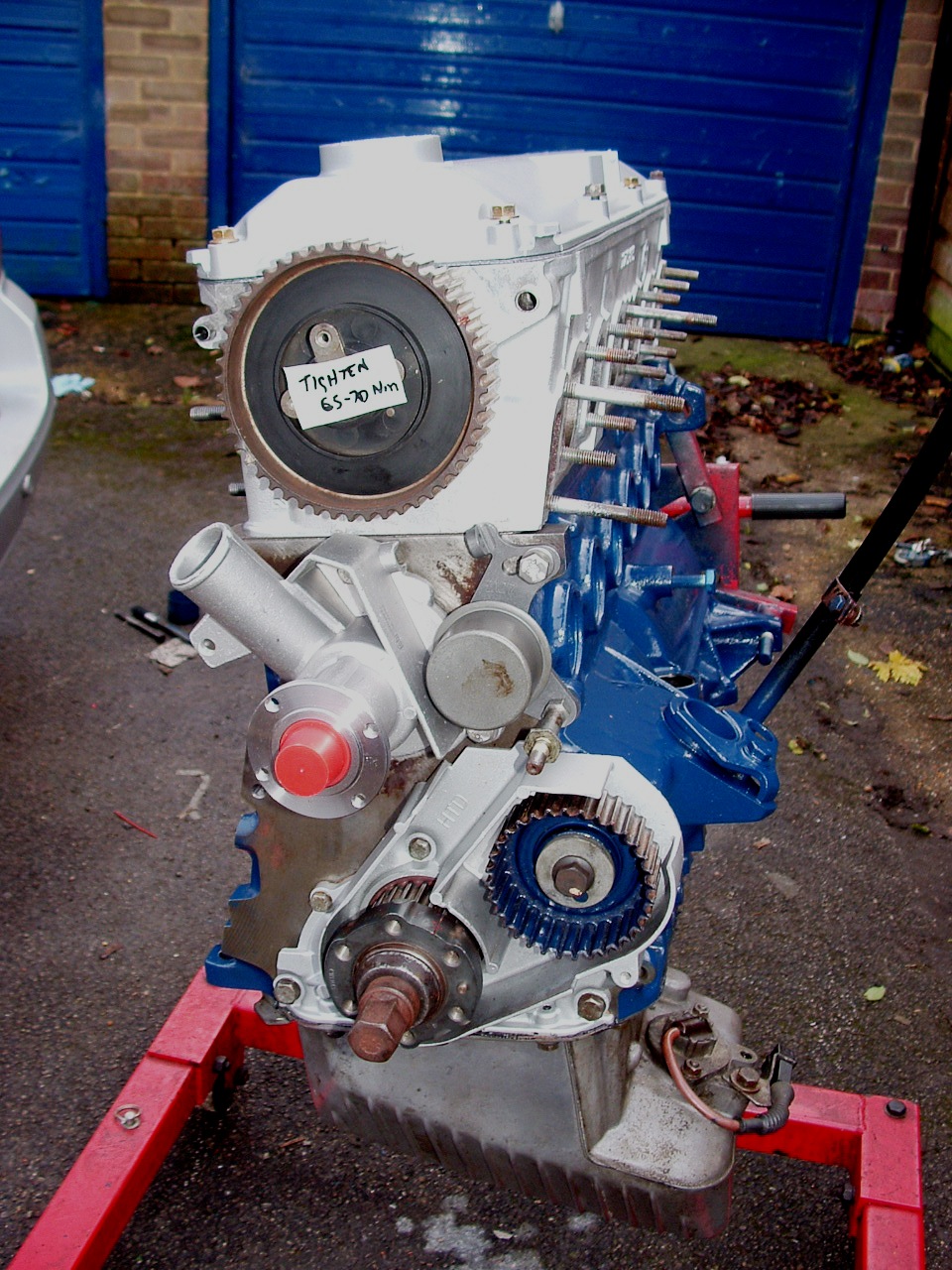
I have a question about rebuild of my BMW M20B28 custom engine.
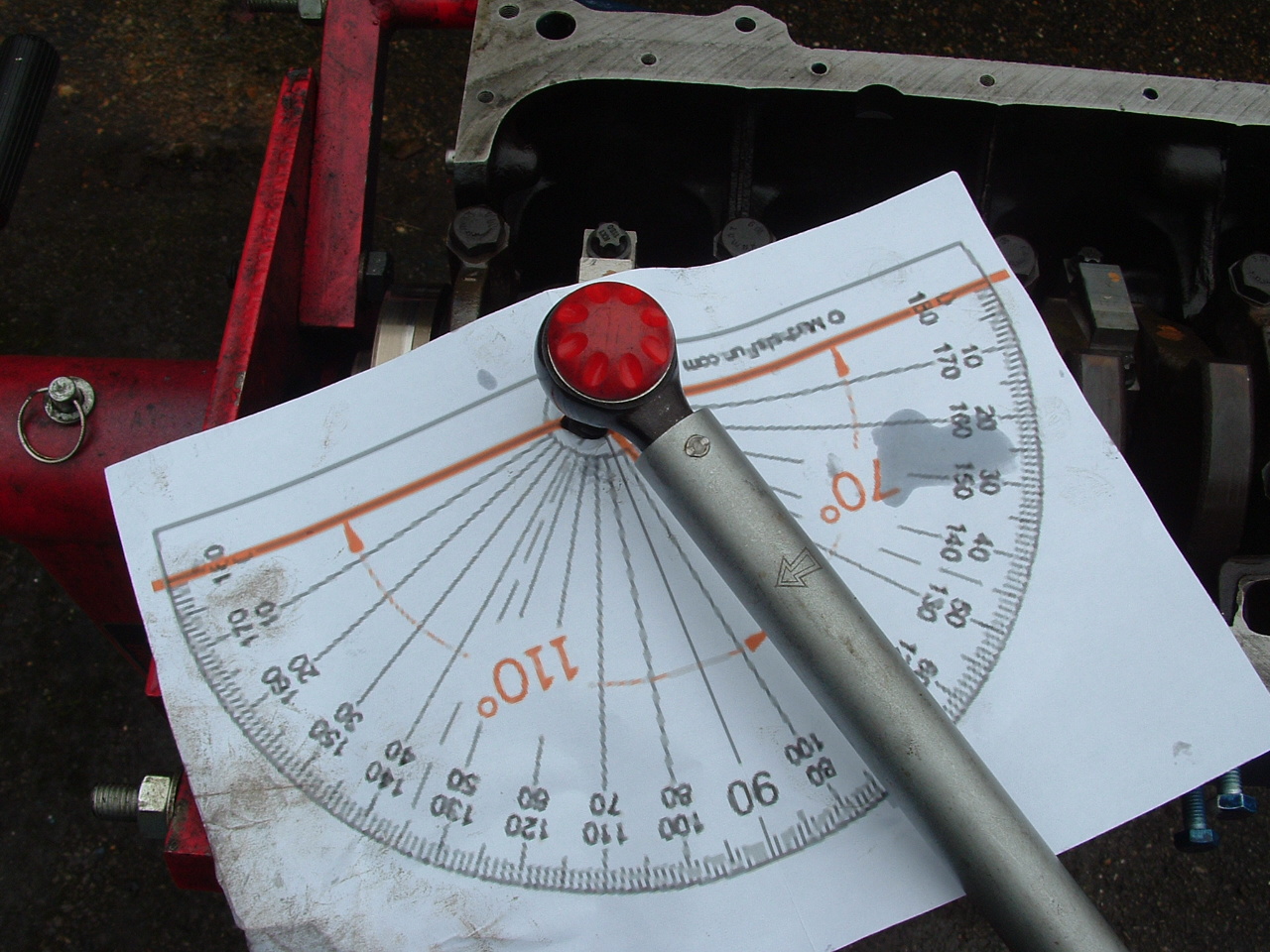
It's clear in all the manuals that, when rebuilding, you should use new Cylinder head bolts and Conrod bolts as the are 'stretch' bolts and cannot be reused.
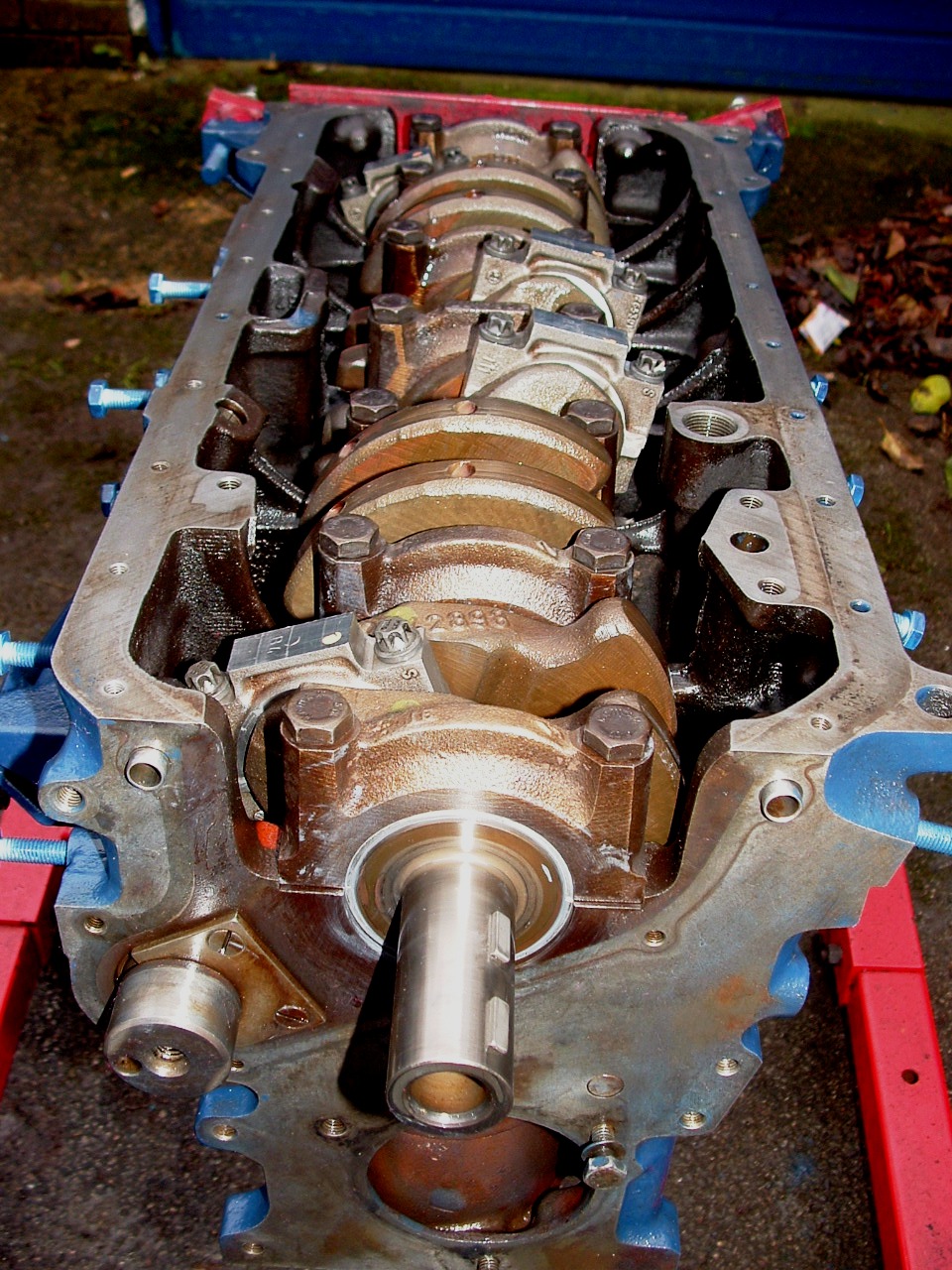
My question is about Main Bearing casing bolts. Do these need to be replaced?
I've seen conflicting advice and the original bolts look like bog standard 10.9 high tensile bolts. They are listed on Realoem at only 93 cents which also suggests they are nothing special (especially as conrod bolts are listed at $6.32 each!)
I've hit a problem with my new lower bearing shells......
(The uppers went in just fine) Main bearing puzzle by marlinpeter, on Flickr
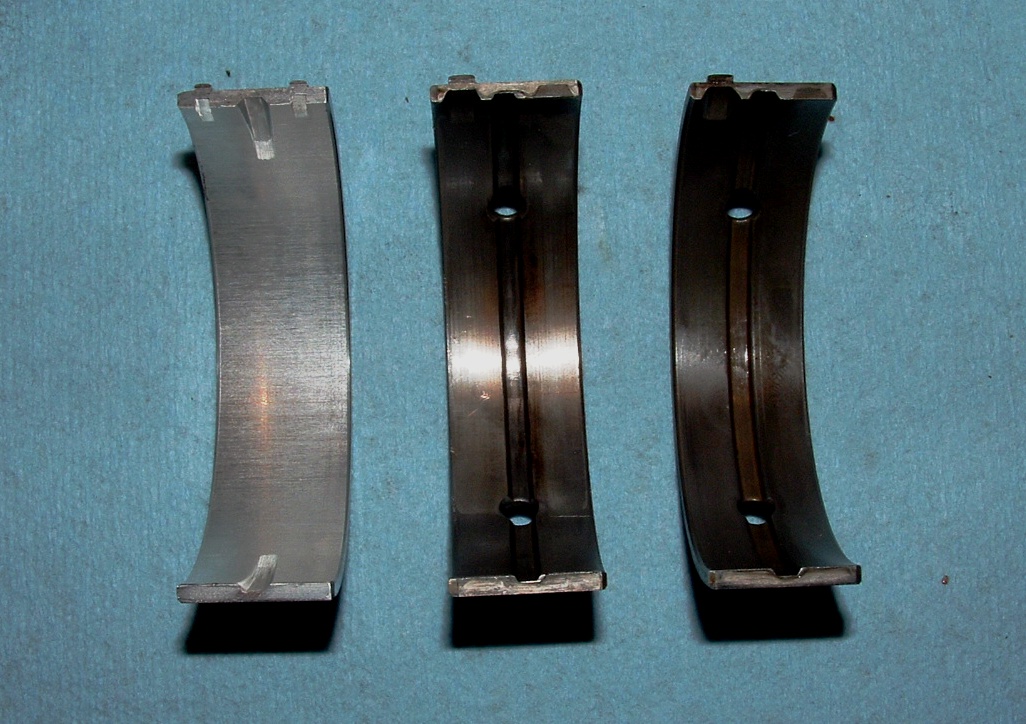
On the left is one of my new lower main bearing shells. You'll see it is not grooved or has any holes.It also has two indents at the top so won't actually fit in my bearing caps which only have one indent.
In the centre is one of the original lower shells that is grooved and has a single indent.
On the right is an original upper shell. So on my engine both top and bottom shells have exactly the same BMW part numbers.
According to my bearing suppliers website and Realoem, the top and bottom shells should be different part numbers.
(To add to the confusion, the lower bearing shells that came with my 328 crank are also smooth with double indents?)
I see I have two options...
1. Buy some more Main bearing shells so that I can replace top and bottom that are the same with grooves and single indents. (expensive)
2. Use the bearing caps that came with my 328 crank and the new bearings I have already purchased (no further cost) but will the bearing caps from one engine align with the another?
Going back to the bearing shell supplier is probably a non-starter since they don't list an option for a set with identical top and bottom shells.
Any ideas or other options before I fork out more money on some more shells.
Been doing a bit of homework on bearings and found an interesting article by Mahle.
It states....
" Many early engines used full grooved bearings and some even used multiple grooves. Those choices were based on what engineers knew at the time. As engine and bearing technology developed, the negative effect of grooving was recognized and bearing grooving was removed from modern lower main bearings. The result is in a thicker film of oil for the shaft to ride on. This provides a greater safety margin and improved bearing life. Upper main shells, which see
lower loads than the lowers, and hence don’t apply the same load to the oil film, have retained a groove to supply the connecting rods with oil. "
So I presume BMW built engines with grooved lower bearings and then moved to smooth shells. I seem to have the early version.
I've thought of Option 3 - very carefully grind or file off the extra indent on the new smooth bearings. And grind slowly to avoid any build up of heat?
Any downsides to this option?
I've hit a problem with my new lower bearing shells......
(The uppers went in just fine) Main bearing puzzle by marlinpeter, on Flickr
I see I have two options...
1. Buy some more Main bearing shells so that I can replace top and bottom that are the same with grooves and single indents. (expensive)
2. Use the bearing caps that came with my 328 crank and the new bearings I have already purchased (no further cost) but will the bearing caps from one engine align with the another?
Going back to the bearing shell supplier is probably a non-starter since they don't list an option for a set with identical top and bottom shells.
Any ideas or other options before I fork out more money on some more shells.
Peter
My understanding of engine building is that the main bearings are line bored with the mains attached to the block, which is why it is important to keep the mains in the same position when rebuilding. I think mixing and matching mains from one engine with a block from another is not good practice and could cause problems later on.
You could try talking to a local engine re-conditioners and ask their advice?
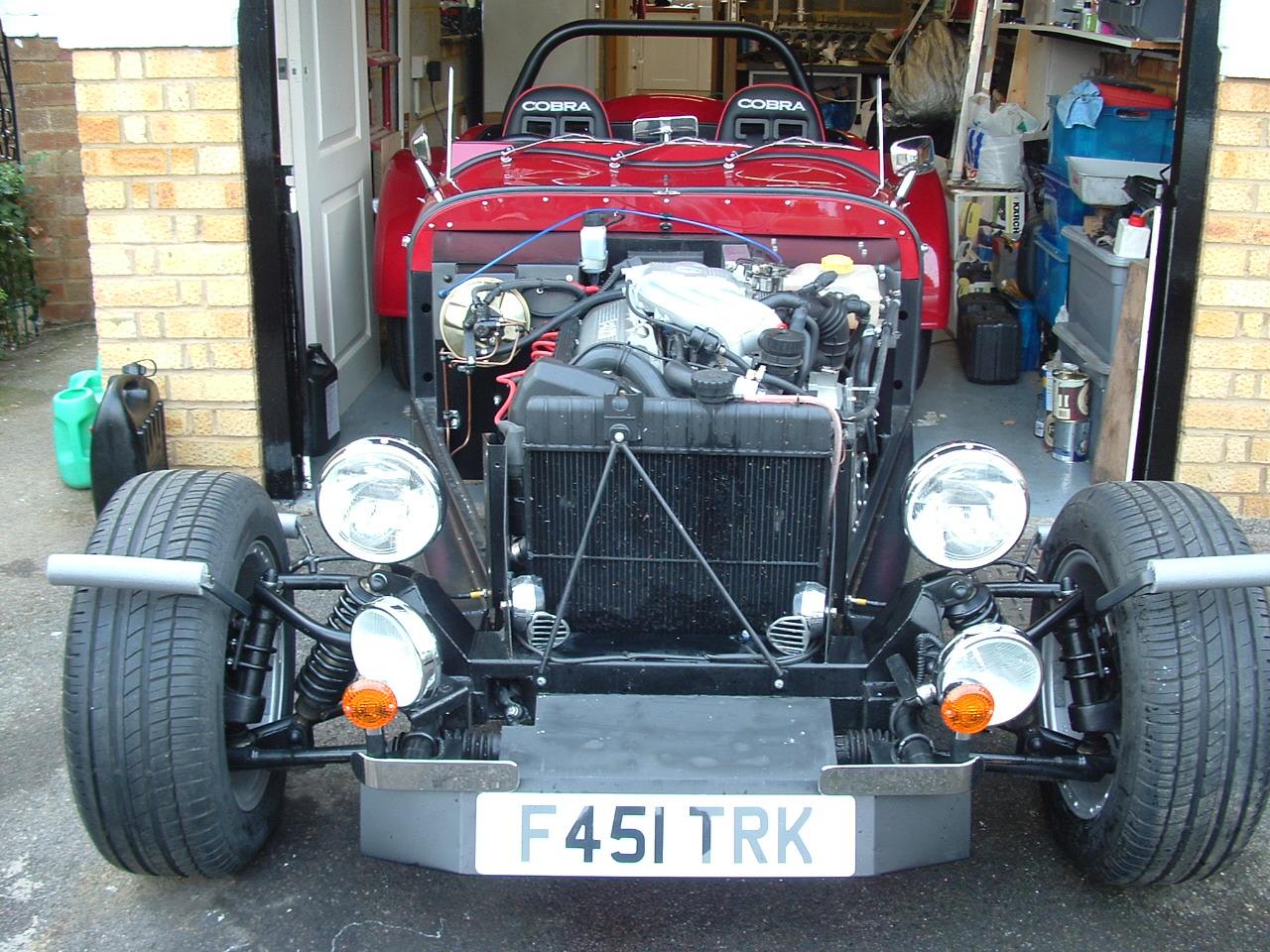
All the front body panels have been removed and safely wrapped and stored away. Engine oil and coolant drained. My poor car does look sad!
Lots of dead flies on the radiator!!
I also noticed during the strip down that I have a split in one of my steering rack gaiters and both top front ball joint rubbers are completely perished.
BTW, the windscreen is off, as it's away have a new piece of glass fitted.
Ho, hum....
...
1. Buy some more Main bearing shells so that I can replace top and bottom that are the same with grooves and single indents. (expensive)
2. Use the bearing caps that came with my 328 crank and the new bearings I have already purchased (no further cost) but will the bearing caps from one engine align with the another?
Going back to the bearing shell supplier is probably a non-starter since they don't list an option for a set with identical top and bottom shells.
Any ideas or other options before I fork out more money on some more shells.
You absolutley MUST NOt mix bearing caps from one engine in another. They are reamed in position. How do I know? Broke one once. Had to buy a new unfinished one and go through the process of having it reamed by a local engine remanufacturer. £££'s
Cheers
Robin
PS If you want to borrow the engine hoist again you know where I am....
I knew that it was not recommended to mix and match bearing caps but I didn't know why.
I'm now sorted with the right bearing shells thanks to a 'very nice man' at http://www.enginepartsuk.net/. Very knowledgeable and highly recommended!!
If you register on their website you can pull up drawings, etc of the parts and he gave me trade price.
I think I have a bit of an oddity with this engine. It's most definitely from a Feb. 1988 car because I have the 'birth certificate' from BMW but it seems to be of the older M20 design. It has these older type shells, it had long skirt pistons and it also has an old design of the ECU with the two PCB's. Either there was some reason why the registration of the original car was delayed or the engine was lurking in the factory until it got fitted.
Anyway, I'm sorted now so on with the rebuild...
P.S. and thanks again Robin, I know where you are....
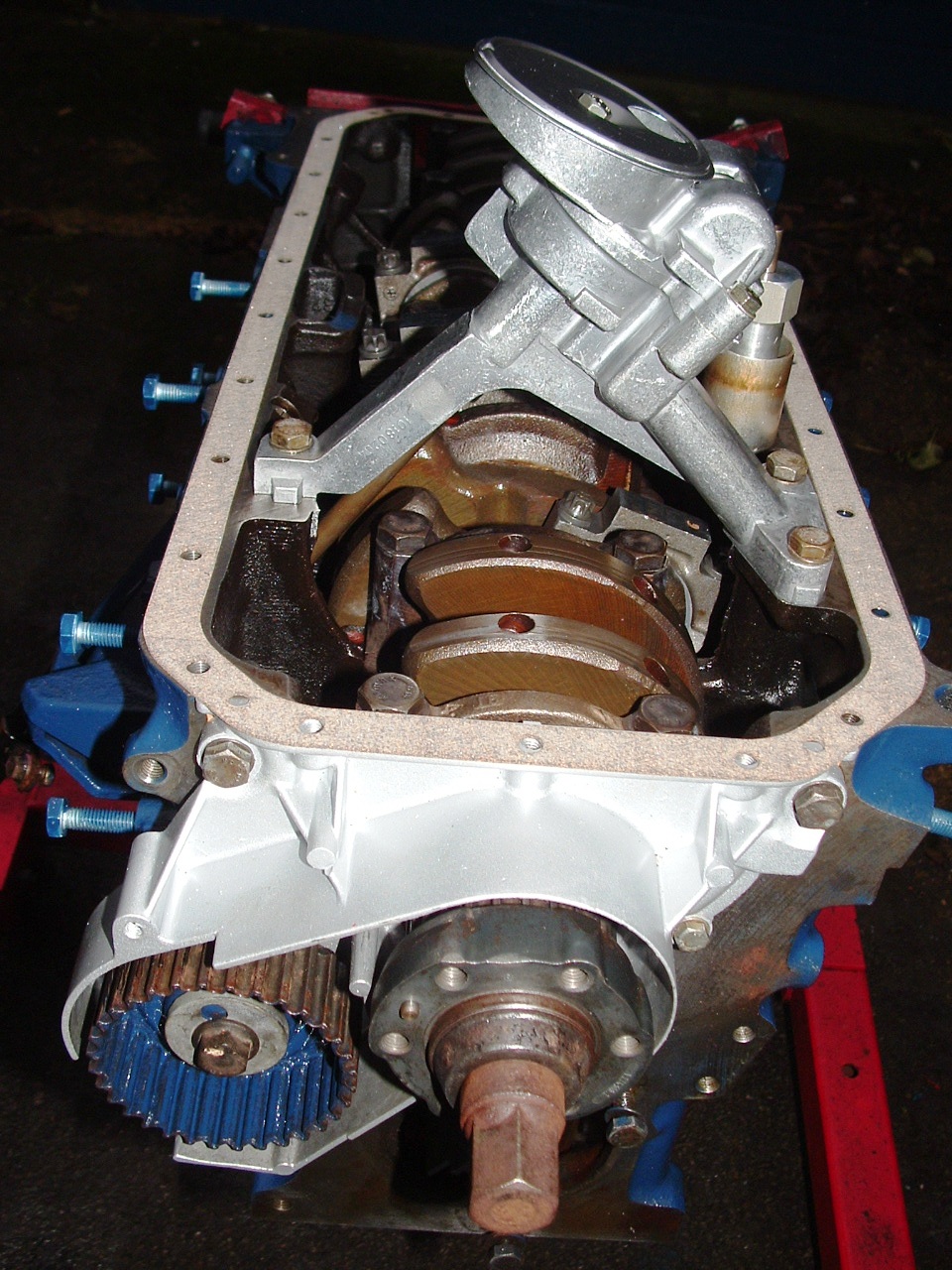
More for peace of mind (and because I've never rebuilt an engine before) I thought I'd have a go at measuring my crank radial clearance today.
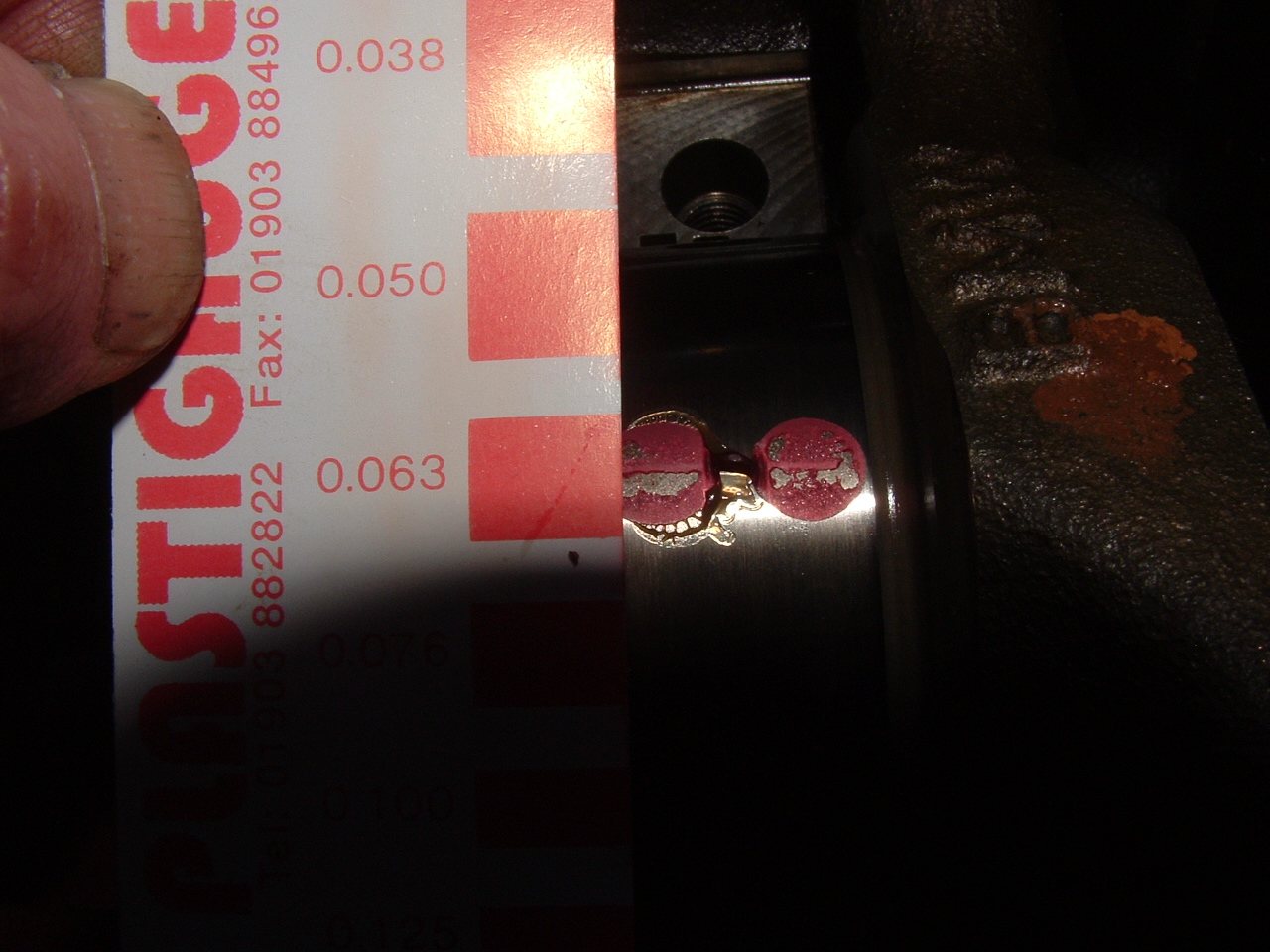
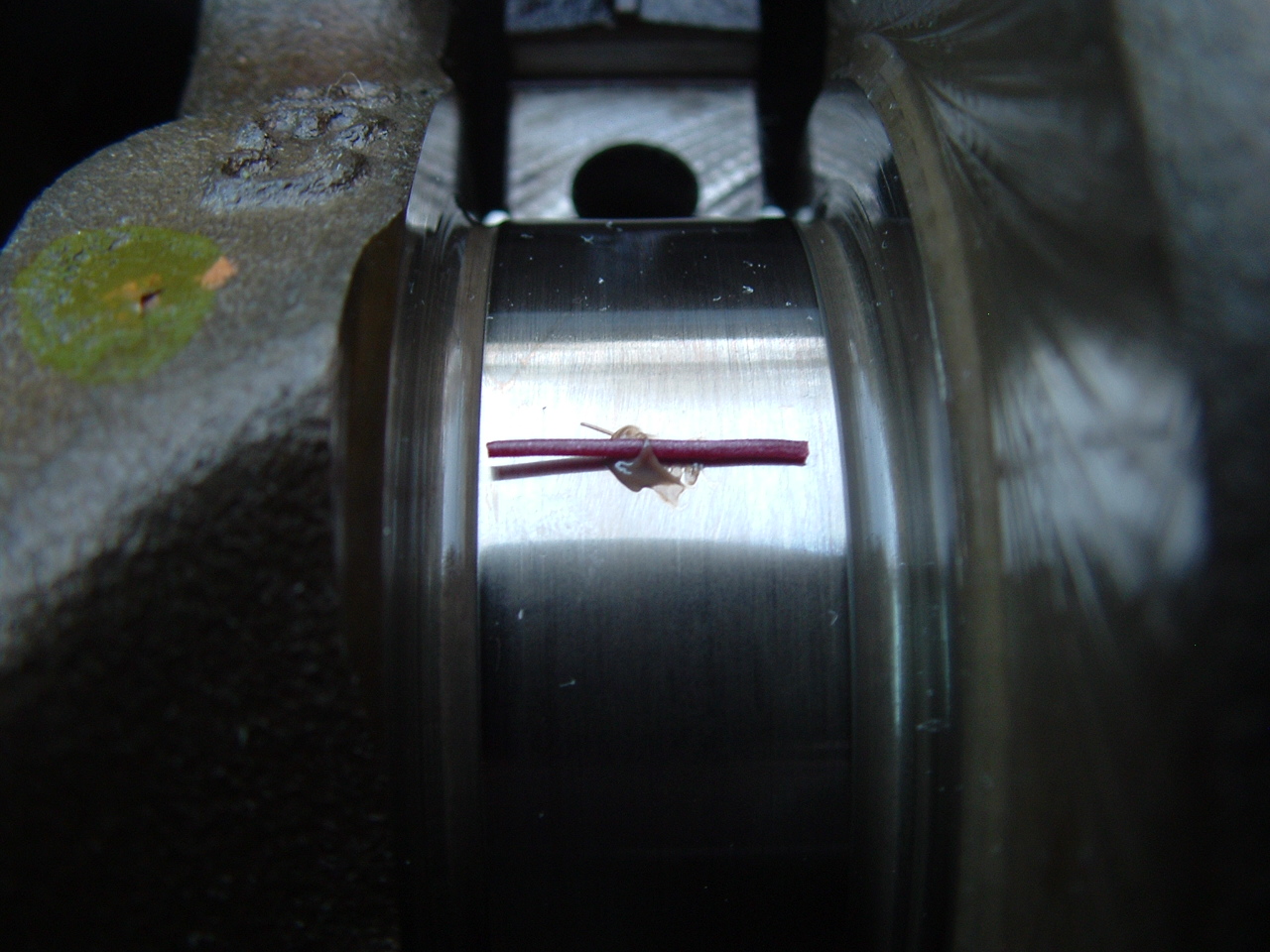
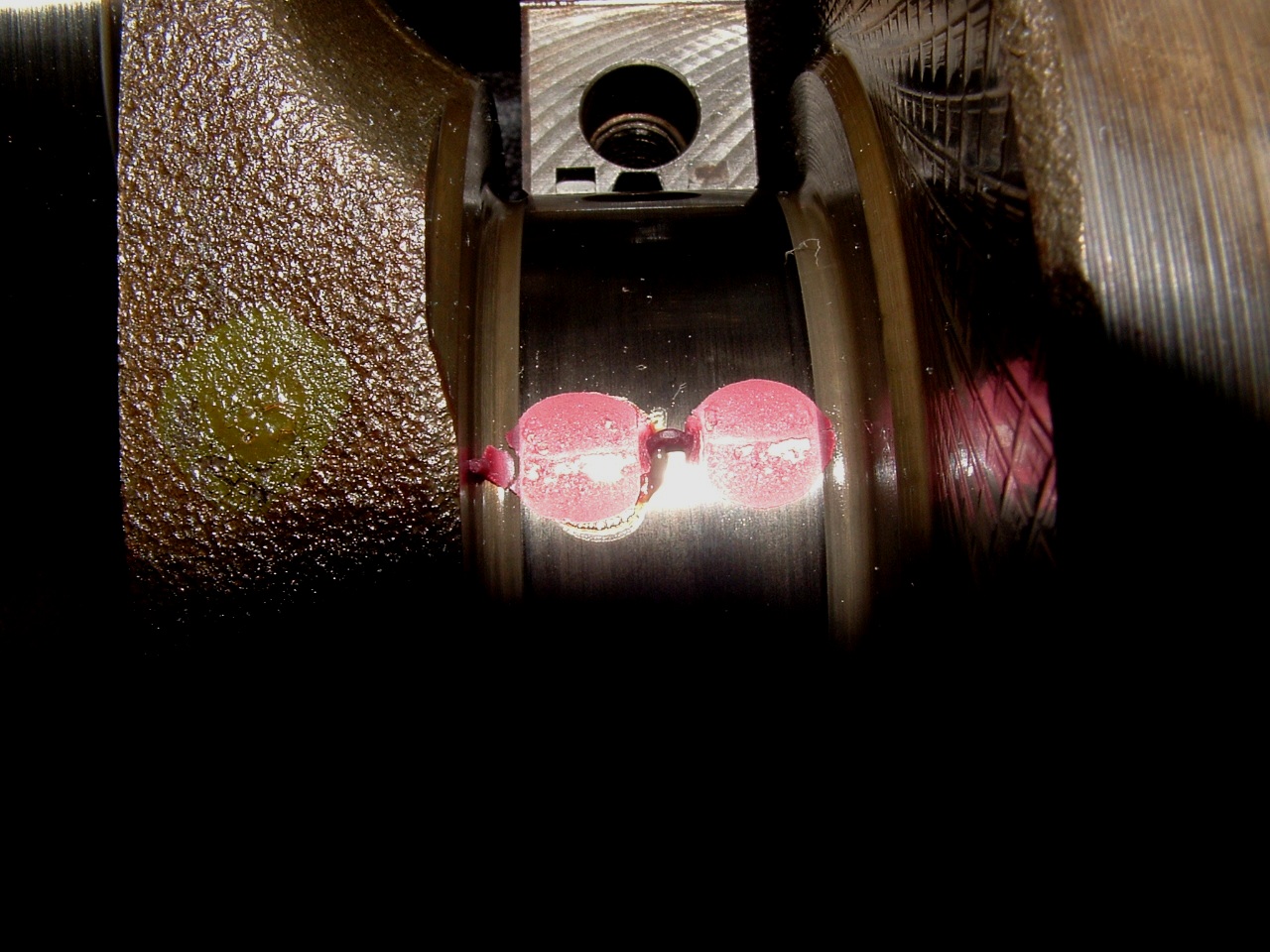
I used Plastigauge to check the radial clearance on my M50 328 crank when fitted in the 325 block with the new bearing shells.
As you all probably know, Plastigauge works by compressing a thin strip of plastic and then measuring how much it is spread when flattened by the crank main bearings.
Mine came out about 0.060mm which is good because the tolerance range specified is 0.030 - 0.070mm. (It looks more in this photo because the gauge is closer to the camera)
So we are good to go ahead!
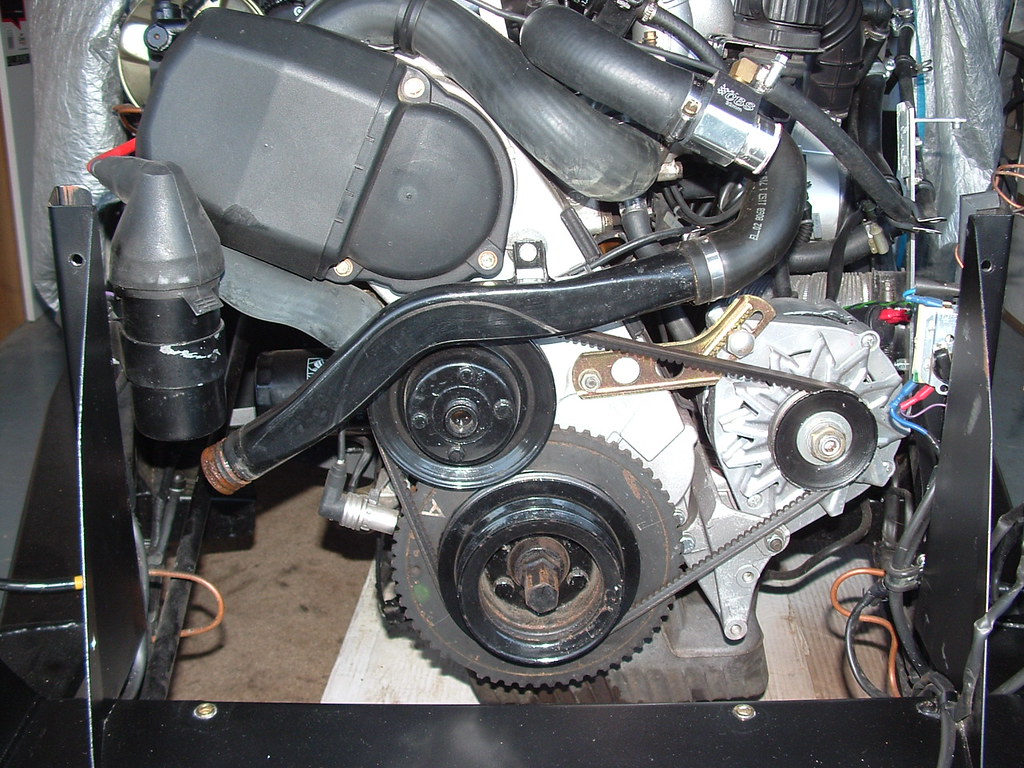
I've removed all the old radiator and fittings in preparation for a new alloy radiator and oil cooler to cope with the extra heat from the M20B28 engine. (Note: this is still my old engine)
I wanted to get the new fittings and mounting brackets made ready while the old engine is in the car.
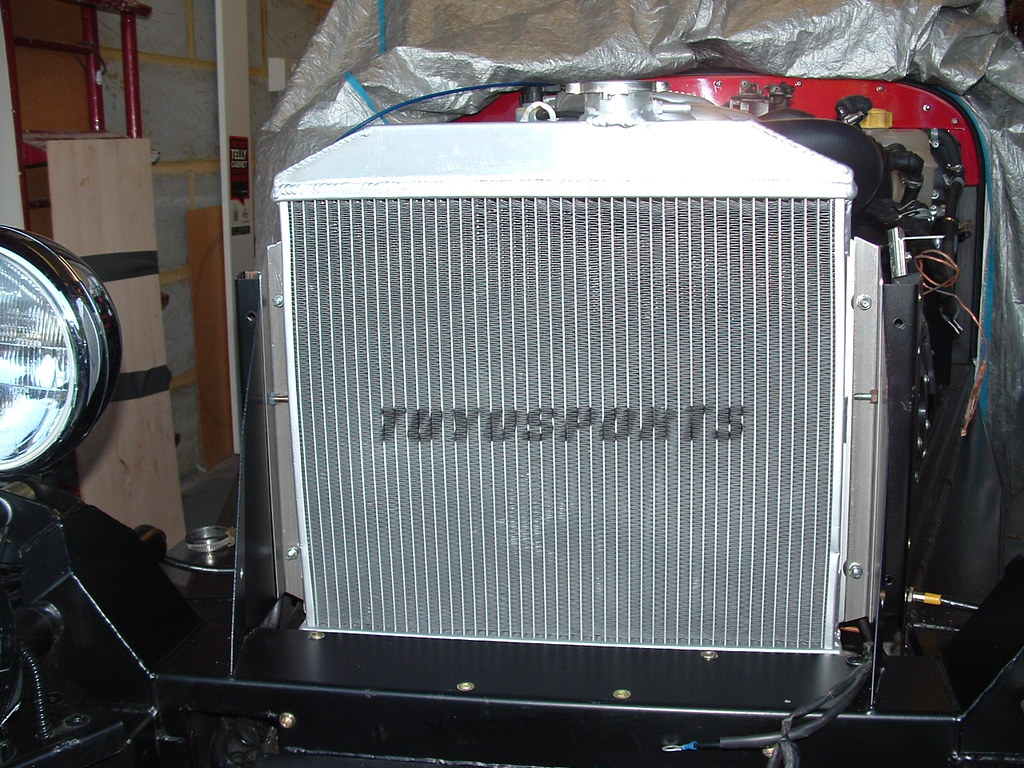
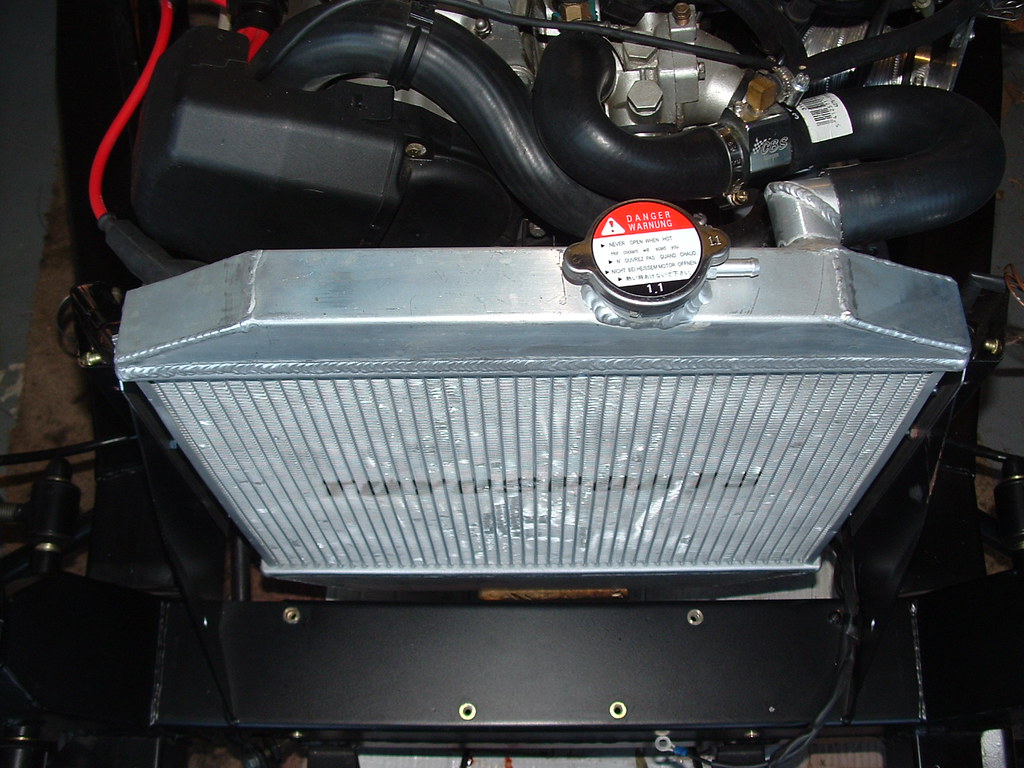
Here's my new alloy Radiator. It's a thicker core and being alloy suposed to be 20% more efficient. It fits nicely in the space, like it was made for the car but actually it's a Ford Escort radiator! (I don't like the name across it so will have too spray over it)
New Alloy Radiator by marlinpeter, on Flickr
Here I'm fabricating the new brackets to mount the alloy radiator. I've done awy with the old Marlin mounting and i'm using rubber insulated angle strips each side.
That looks the business but not sure how thick it is?
I imagine with the M50 engine you may be a bit tight on space for such a thick radiator and the fan is raised off the core, adding a bit more thickness. My advice would be to wait until you've got your engine installed and then have a measure up. Also, the top corners are a bit more squared off so you may have to mount it a bit lower.
(P.S. not sure what those prices of the toyosports are on eBay?? :noidea
I fitted the Marlin supplied rad and fan, and my M52 engine does not like sitting still at all. In fact, I almost had to abort the emissions test at IVA because the constant revving for the emissions test pushed the temp ridiculously high.
Am intending to upgrade when I get the chance...
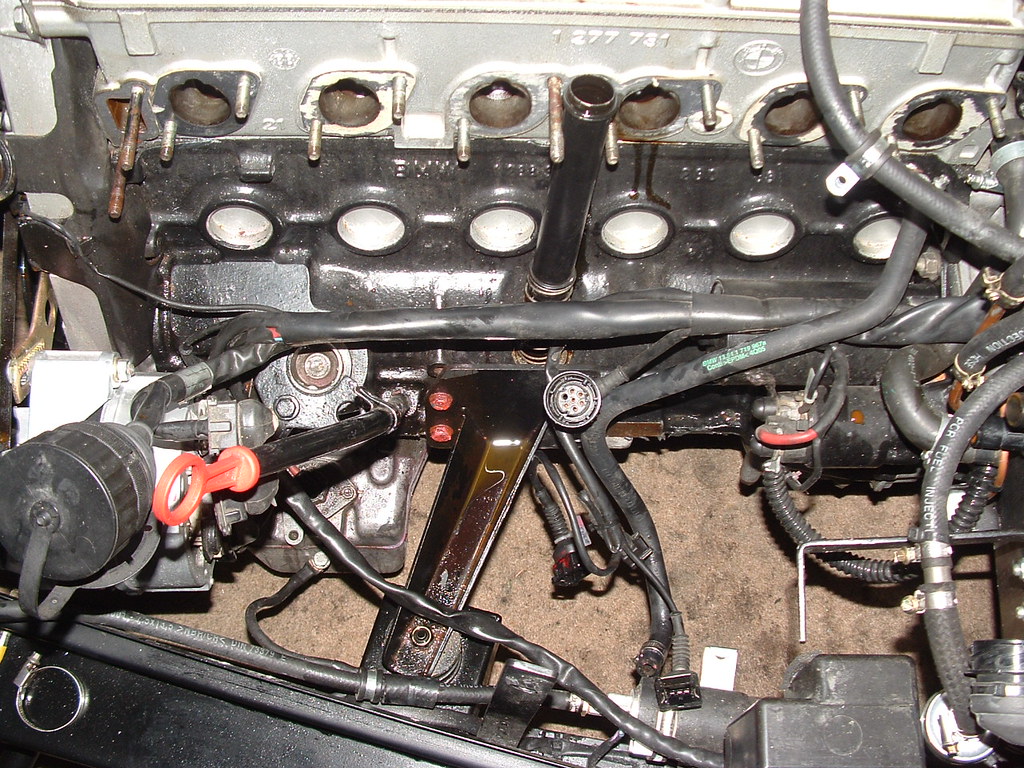
I think its just been dribbling out since a removed the inlet manifold a few days earlier. I did find a coolant leak at the throttle body which has turned a couple of engine mounting bolts bright pink.
I also found the exhaust manifold nuts not very tight so I would recommend anyone who fitted new exhaust gaskets to give the nuts a re-torque after the first few hundred miles.
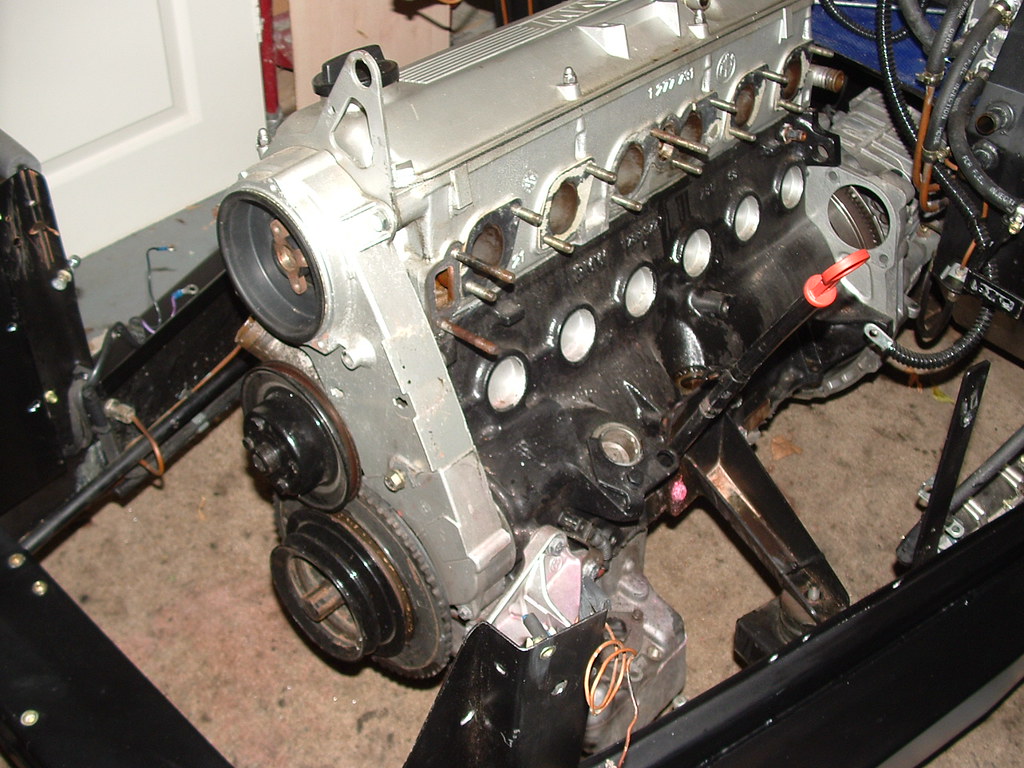
We whipped the old engine out this morning and parked it back in the lock up, but now we have a kind of heavy rain/sleet storm so I will take an update picture later. Luckily the car was all nicely tucked up back in the garage before the sleet started.
My lock up now looks like a museum of BMW engines


 eace:
eace: